
Saffron is often described as the most valuable spice on earth, and much of its worth comes from the delicate and labour-intensive process required to harvest it. Every single gram of saffron represents hours of skilled manual work, careful timing, and centuries of traditional agricultural practice. Understanding how saffron is harvested helps explain why genuine saffron holds such prestige in culinary and wellness cultures.
The Flower Behind Saffron
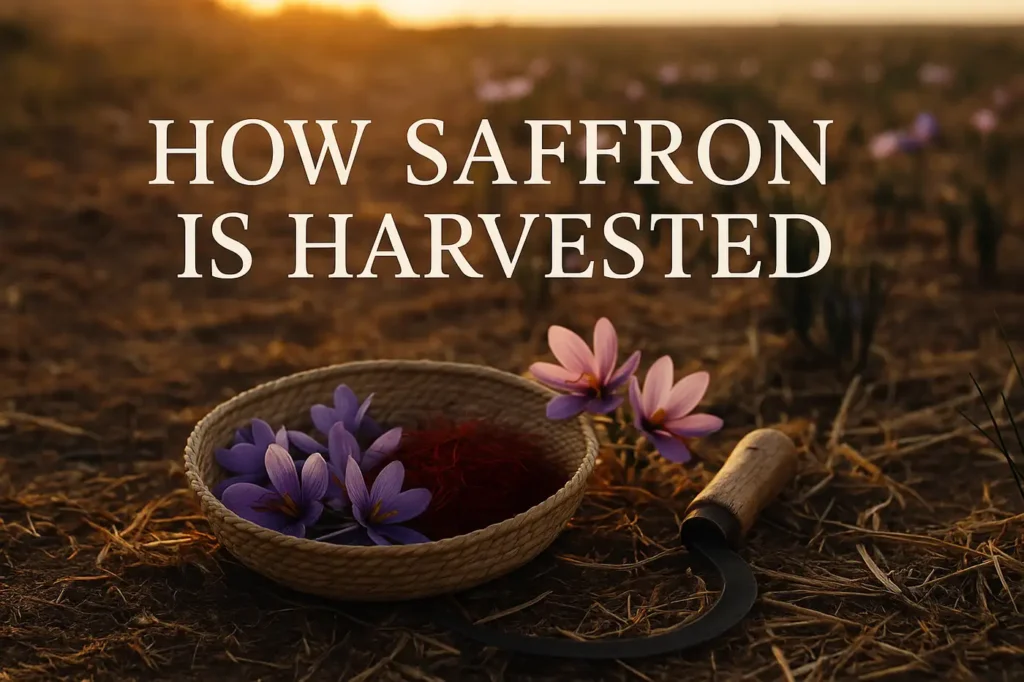
Saffron is obtained from the flower of Crocus sativus, a small purple flower that blooms for only a short period each year. Each flower contains just three crimson stigmas. These stigmas are what become saffron threads after careful separation and drying. Because each flower produces so little usable saffron, large fields must be planted to produce even modest quantities.
Harvest Season and the Perfect Timing
The saffron harvest takes place during autumn and typically lasts only two to three weeks. Timing is critical. Flowers must be picked early in the morning while the blossoms are still closed. This preserves the quality of the stigmas and prevents sunlight from damaging their natural colour and aroma properties. Skilled harvesters walk through the fields by hand, selecting flowers one by one and collecting them in shallow baskets to avoid crushing.
Hand Picking the Stigmas
Once the flowers are gathered, the next step is separating the stigmas from the petals. This is a precise and delicate task performed entirely by hand. The worker opens each flower carefully, removes the three red stigmas with a gentle pinch, and sets them aside. Even a small field can require thousands of flowers to be processed in a single day. The skill and experience of the harvester affects the final appearance and quality of the threads, especially in premium cuts.
Drying and Preserving the Threads
Fresh saffron stigmas contain high moisture and must be dried to develop their colour, aroma, and flavour. Drying methods vary across regions and producers, but all seek the same goal: to preserve the compounds that give saffron its characteristic profile. Drying may take place over gentle heat or using controlled airflow. The threads gradually deepen in colour and lose water content while concentrating their chemical properties. Proper drying is essential for achieving strong crocin, picrocrocin, and safranal levels.
Sorting and Quality Selection
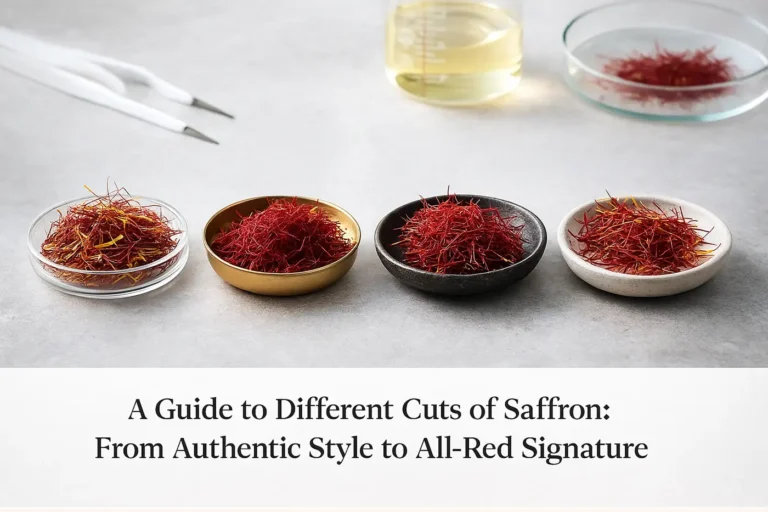
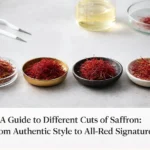
After drying, saffron threads are sorted by hand to remove debris and to classify them by quality and appearance. This step determines the cut type, such as Authentic Style or All Red Signature. Producers examine colour consistency, thread length, aroma, and overall purity. This careful grading ensures consumers receive saffron that matches the expected strength and presentation.
Packaging and Protection
Finally, saffron is packaged in airtight containers that protect it from moisture, light, and contamination. Because saffron is sensitive to environmental conditions, proper packaging is essential for preserving its quality during transport and storage. Premium producers often include batch numbers, traceability information, and laboratory verification to guarantee authenticity.
Why This Process Matters
Saffron’s value lies not only in its rarity but in the care taken at every stage of harvesting and preparation. Each thread has passed through skilled hands, careful inspection, and traditional craftsmanship. Understanding this process helps consumers appreciate the true effort behind high quality saffron and highlights why purity and transparency are so important in the modern market.